Cotton work gloves and dipped gloves are both common hand protection products, but they are designed for different work situations. Cotton gloves are usually soft, breathable, and comfortable for light tasks. Dipped gloves add a coating to part of the glove, usually the palm and fingers, to improve grip, abrasion resistance, or surface contact depending on the coating type.
Understanding the difference helps explain why these two glove categories often appear side by side in a hand protection range. One is focused on light coverage and comfort; the other is focused more on handling performance and grip.
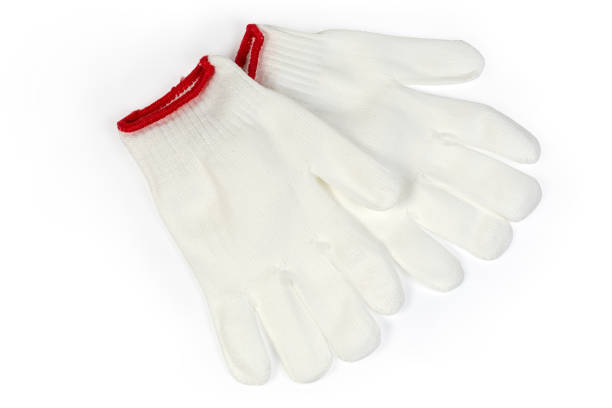
Cotton work gloves are usually made from cotton yarn or cotton-blend yarn. They are often knitted to create a soft and flexible glove body. White cotton gloves are widely used because they are simple, clean-looking, and comfortable for repeated low-risk tasks.
The main strengths of cotton gloves are breathability, softness, and basic hand coverage. They can help keep hands clean, reduce minor abrasion, and provide a gentle surface when handling delicate objects. Because cotton is a textile material, it can absorb moisture and feel comfortable against the skin.
Cotton gloves are often used in:
-Packing and sorting
-Light warehouse work
-Product inspection
-Light manufacturing and assembly
-Handling glass, jewelry, polished surfaces, or electronics
-Gardening and low-risk outdoor work
They are not intended for high-cut, chemical, welding, or heavy heat hazards unless another suitable protective glove is used over them.
Dipped gloves are made by applying a coating to a glove liner. The liner may be knitted from different fibers, while the coating is usually applied to the palm, fingers, or larger glove area depending on the design. The coating creates a different contact surface from plain fabric.
The main purpose of dipping is to improve grip, abrasion resistance, or handling control. Different dipped glove styles may feel flexible, tacky, smooth, textured, or more resistant to wear. The actual performance depends on the coating material, coating thickness, liner design, and work environment.
Dipped gloves are often used in handling, maintenance, warehouse work, construction-related tasks, light assembly, and other jobs where grip and durability matter more than the soft feel of cotton.
| Feature | Cotton Work Gloves | Dipped Gloves |
|---|---|---|
| Surface material | Textile yarn surface | Coated palm or coated glove surface |
| Main strength | Comfort, breathability, light coverage | Grip, abrasion support, handling control |
| Typical feel | Soft, flexible, breathable | Depends on coating; often grippier and more structured |
| Common tasks | Packing, inspection, delicate handling, light work | Material handling, warehouse work, maintenance, assembly |
| Hazard level | Low-risk light tasks | Low to moderate tasks depending on coating and design |
The difference is easiest to understand through contact. Cotton gives the hand a soft fabric barrier. Dipped gloves change the working surface of the hand, helping the wearer hold, grip, or handle materials more securely.
Cotton gloves are usually more breathable than coated gloves because the fabric surface allows more airflow. This makes them useful for indoor tasks, light work, and situations where comfort is important over long periods.
Dipped gloves may feel warmer because the coating covers part of the fabric and reduces airflow. However, many dipped gloves are designed with an open back or partial coating to keep some breathability. The balance between grip and airflow depends on how much of the glove is coated.
For tasks that involve light handling and frequent hand movement, cotton gloves may feel easier to wear. For tasks where objects are slippery, rough, or harder to grip, dipped gloves may provide better handling control.
Grip is one of the biggest differences between cotton and dipped gloves. Plain cotton can provide a gentle touch, but it may not grip smooth, oily, or rough objects as well as a coated glove. Dipped gloves create a contact layer that can increase friction and control.
This is why dipped gloves are often used for carrying boxes, handling tools, moving parts, or working with materials that need a firmer hold. Cotton gloves are more suitable when the goal is to protect surfaces from fingerprints, dust, or light scratches.
Neither cotton gloves nor ordinary dipped gloves should be treated as universal protection. Cotton gloves provide light coverage but limited protection from serious cuts, chemicals, sparks, or heat. Dipped gloves may offer better grip and abrasion support, but they still need to match the actual work risk.
For sharp edges, heat, welding, or chemical exposure, a more specialized glove type should be selected. This may include cut resistant gloves, heat-resistant gloves, welding gloves, or chemical-resistant gloves depending on the hazard.
Cotton work gloves are useful when the task requires comfort, cleanliness, and light hand coverage. They are especially helpful for dry indoor work, delicate product handling, packing, inspection, and simple general tasks. Their soft surface can help reduce marks on polished or sensitive objects.
They can also be used as liner gloves in some cases, especially when the wearer wants a softer layer under another glove. The outer glove must still provide the required protection for the job.
Dipped gloves make sense when the task requires better grip, more durable palm contact, or improved handling control. They are commonly used where workers handle cartons, parts, tools, construction materials, or objects with surfaces that plain cotton may not grip well.
The coating type and glove structure should match the environment. A glove used for dry warehouse handling may not be the same as one used around oil, moisture, or rough materials.
Cotton work gloves and dipped gloves are not competing versions of the same product. They serve different roles. Cotton gloves are simple, breathable, and comfortable for light tasks. Dipped gloves add a coated working surface for grip and handling performance.
In hand protection, the best glove is the one that matches the task. For low-risk, clean, and delicate work, cotton gloves can be highly practical. For firmer grip and more demanding handling, dipped gloves are often the better fit. Understanding the difference helps workers and product teams use each glove type where it performs best.
Copyright © Hebei Sinotools Industrial Co.,Ltd. All Rights Reserved | Powered by  Sitemap