Home renovation PPE keeps people safe from many dangers. Some common injuries are:
• Falls
• Cuts
• Eye injuries
• Breathing in harmful chemicals
• Electric shock
The main types of PPE protect your eyes, hands, feet, hearing, breathing, head, and skin. Good gear like T-safety helps every project stay safe and run well.
• Always use the right PPE to stay safe from falls, cuts, and chemicals. Wear it every time you work on a home project. PPE helps protect you from getting hurt.
• Pick good gear that follows safety rules. This gear gives you the best protection. Make sure your PPE is strong and fits well.
• Keep your work area neat and tidy. Clean up tools and trash so you do not trip or slip. A clean space helps everyone stay safe.
Protecting your eyes and face is very important. Home renovation jobs can be dangerous. Small pieces of wood, dust, or chemicals can hurt your eyes. You might get hurt by wood chips, rocks, or things like glue and paint. Some injuries are scratches on your eye or burns from chemicals.
You can use different gear to stay safe:
1. Safety Glasses: These keep your eyes safe from flying things. Pick ones that meet the ANSI Z87.1 rule for strong protection.
2. Goggles: Goggles fit tightly and work well with chemicals or dust.
3. Face Shields: Wear these with safety glasses for more safety when using power tools or strong chemicals.
4. Welding Helmets: These block UV and IR rays, sparks, and flying bits.
Your hands and fingers can get hurt easily. Saws, nails, screws, and tacks are risky. In 2020, there were over 775,000 injuries from home projects. Fingers got hurt the most.
Pick gloves that fit your job. The table shows glove types and what they do:
Glove Type | Coating | Description | Applications |
|---|---|---|---|
Latex | Sandy Latex | Good grip in wet or dry places | Construction, Demolition, Masonry, Material Handling |
Polyurethane | PU | Thin, lets you move fingers easily | Assembly, Inspection, General Assembly |
PVC | PVC | Tough, works with glue, good in cold | Construction, Mining, Petrochemicals |
Nylon | N/A | Strong, keeps things clean | Paint Work, Pharmaceuticals |
HPPE | N/A | Very hard to cut through | Metal Working, Maintenance |
Cotton | N/A | Light and cool | Assembly, Inspection, Automotive |
Home renovation PPE should protect your lungs. Dust, fumes, asbestos, and gases are dangerous. Cutting and grinding make dust that can hurt your lungs. Asbestos in old homes can cause cancer. Welding and cutting make fumes with bad metals. Gases like carbon monoxide and nitrogen oxides can make it hard to breathe.
Pick the right respirator for each danger:
-N95 filters: Block most dust and fumes.
-P100 filters: Block almost all dust, even in oily air.
-NIOSH-approved respirators: Come in different types, like N95, N99, or N100.
Comfort is important too. Some respirators, like the Moldex M Series, are made to be easy to breathe in and not fog up. Always pick a respirator that fits well and matches the dust or fumes you face.
Renovation work can be very loud. Power tools, hammering, and breaking things make a lot of noise. Loud sounds for a long time can hurt your hearing.
Good hearing protection includes:
Type | Best For | Key Features |
|---|---|---|
Earplugs | Hot places, wearing all day | Light, easy to carry, can be thrown away or reused |
Earmuffs | Very loud places, quick to put on | Can be adjusted, easy to use |
Electronic | Talking and special jobs | Makes safe sounds louder, blocks loud noises fast |
Feet can get hurt during renovation. Sharp things, heavy tools, and chemicals are dangerous. You can break bones, get poked, burned, or shocked.
Good foot protection should have:
-Keep water out
-Stop sharp things from poking through
-Stop slipping
-Protect toes from heavy hits
Head injuries can happen from falling or accidents. Things can fall or you can slip. Wearing the right head protection is very important for home renovation PPE.
Body and skin protection keeps you safe from splinters, chemicals, and the sun. Long sleeves and pants stop cuts and chemical splashes. Thick leather or cut-proof gloves are good for breaking things. Nitrile gloves are best for painting.
Pick strong, water-resistant clothes for coveralls and shirts. Clothes should fit well to protect you. Bright clothes help you be seen in dark places and stop accidents.
If you do not wear the right protection, you can get hurt. You might get sunburn or even skin cancer. Working outside makes this risk higher. Even one bad sunburn can raise your chance of skin cancer.
Picking the right personal protective equipment keeps people safe. Every kind of gear must follow special rules to work well.
You can check if your gear meets the rules by doing a few things: First, look for a CE mark and Notified Body Number on the label. Next, read the instructions to find the certifying body's contact info. You can also ask the maker for certification papers. Trusted supplier safety programs help too.
Getting the right fit is important for safety and comfort. Gear that is too tight or too loose does not protect you well. Straps you can adjust and different sizes help everyone find a good fit. People wear their gear more when it feels nice. Badly fitting gear can cause accidents or new problems, like loose goggles letting dust in.
Many workers say poor fit makes injuries more likely. For example, a survey showed most women in construction worry about gear that does not fit. Good fit keeps people safer and makes work easier.
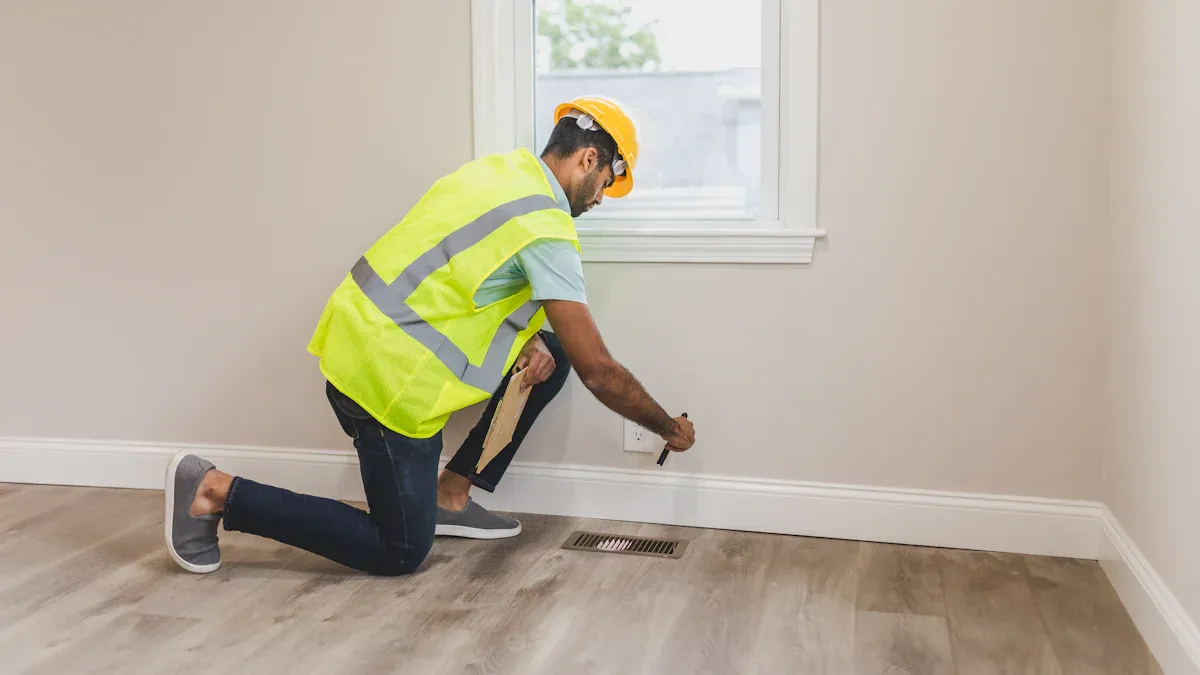
Keeping your workspace clean helps stop accidents. Make a plan to clean up before you start work. Use a locked box to keep tools safe. Sweep and vacuum often to get rid of dust and trash. Some jobs need a special air machine to clean the air by taking out bad stuff.
Hazard Type | Description |
|---|---|
Obstacles | Messy areas can make people slip or fall. |
Obscured Dangers | Mess hides dangers and makes them hard to see. |
Impeded Movement | Mess can block paths and exits, making it unsafe. |
Put sharp things away so no one gets cut or poked. Clean up wet or dirty spots so no one slips.
Using tools the right way keeps people from getting hurt. Wear safety glasses to protect your eyes from flying bits. Gloves keep your hands safe from cuts and chemicals. Earplugs or earmuffs protect your ears from loud sounds. A clean workspace helps stop trips and falls. Follow ladder rules and use power tools carefully. Sharp blades work better and are safer. The right tools help stop electric shocks.
Home renovation PPE keeps you safe from many dangers. Wearing things like hard hats, gloves, and dust masks helps stop injuries. It is important to think about safety first.
People should wear safety goggles, gloves, and a mask. These items protect eyes, skin, and lungs from paint splashes and fumes.
People should replace PPE when it shows damage or wear. Clean and inspect gear after each use to keep it effective.
Regular shoes do not protect feet from heavy tools or sharp objects. People should choose safety shoes or boots for better protection.
Copyright © Hebei Sinotools Industrial Co.,Ltd. All Rights Reserved | Powered by  Sitemap